Cattedrale di San Lorenzo – Cathedral of San Lorenzo
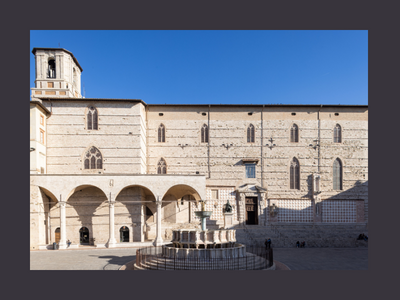
La Cattedrale di San Lorenzo si erge nel cuore del centro storico di Perugia
The Cathedral in the very heart of Perugia historic centre
Descrizione
Edificata tre il 1300 e il 1400, esternamente presenta un rivestimento, in pietra locale bianca e rossa, solo lungo la fascia inferiore dell’edificio, il resto della decorazione non venne mai portato a termine. Il Duomo internamente ha una struttura slanciata in perfetto stile gotico ed è diviso, da grandi pilastri ottagonali, in tre navate della stessa altezza (Hallenkirche – “chiesa a sala”).
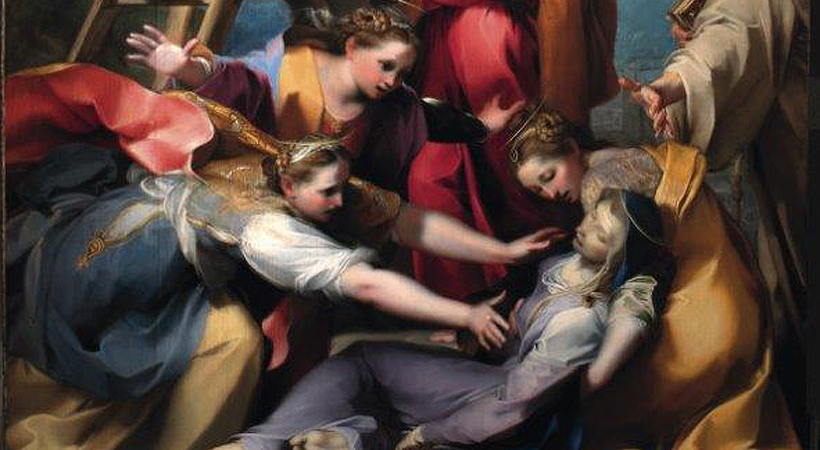
L’aspetto quattrocentesco è andato praticamente perduto, a causa dei numerosi rifacimenti che si sono succeduti nei secoli. In uno dei pilastri al centro della navata si trova il dipinto della Mater Gratiae, oggetto di profonda venerazione da parte dei perugini, datato intorno al 1515 e attribuito a Perugino da alcuni studiosi, mentre da altri al suo allievo Giannicola di Paolo.
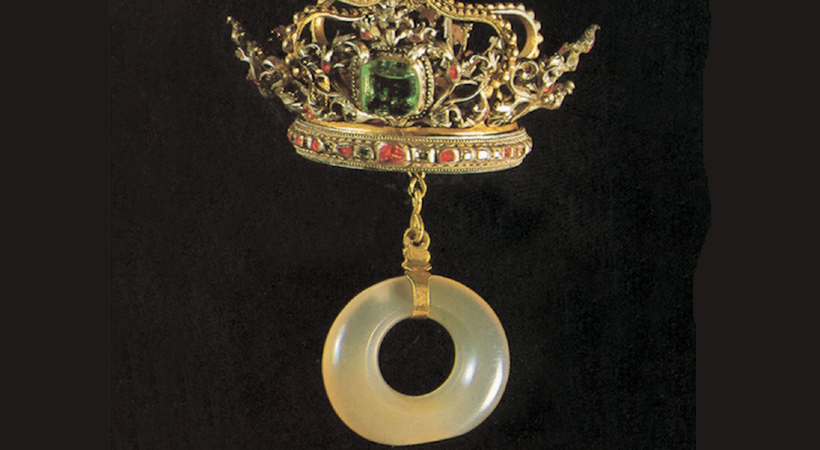
Nella Cappella di San Giuseppe è conservato il “Santo Anello” un monile del 1° secolo d.C. che la tradizione racconta essere l’anello nuziale di San Giuseppe e della Vergine Maria.
__________________________
Built between the XIV and the XV Centuries, on the outside it presents a coating in local white and pink stone, in the inferior part of the building; the remainig of the decoration has never been completed. Inside the Dome presents a slim structure of perfect Gothic style, divided by large octonal pillars in three naves of same hight (Hallenkirche – “Hall Churches”).
The XV Century aspect has been almost wholly lost due to many renewal works during the centuries. One of the central pillar shows the painting of the Mater Gratiae, profounfly venerated by the people of Perugia, dating around 1515, for some by Perugino, for other scholars by his pupil Giannicola di Paolo.
In the San Giuseppe chapel it is stored the “Santo Anello – Holy RIng” a I Century jewel traditionally considered the wedding rinn of San Giuseppe and the Virgin Mary.
Galleria di immagini


Modalità di accesso
Accessibile a persone con disabitilità motoria
__________________________
Wheelchair accessible
Dove
Indirizzo
CAP
Orari di apertura
Per orari consulta i contatti che trovi su ulteriori informazioni
__________________________
For opening hours and entrance fee see ulteriori informazioni
Contatti
Ulteriori informazioni
Info
+39 075 5724853 – +39 075 8241011
isolasanlorenzo@genesiagency.it
www.isolasanlorenzo.it
Facebook
Instagram