Abbazia di Santa Maria Valdiponte a Montelabate – Abbey of Santa Maria Valdiponte in Montelabate
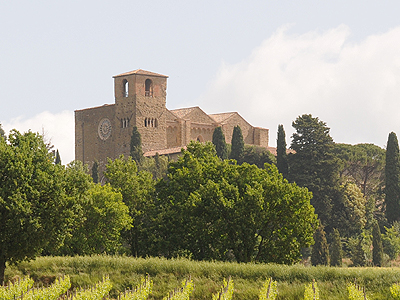
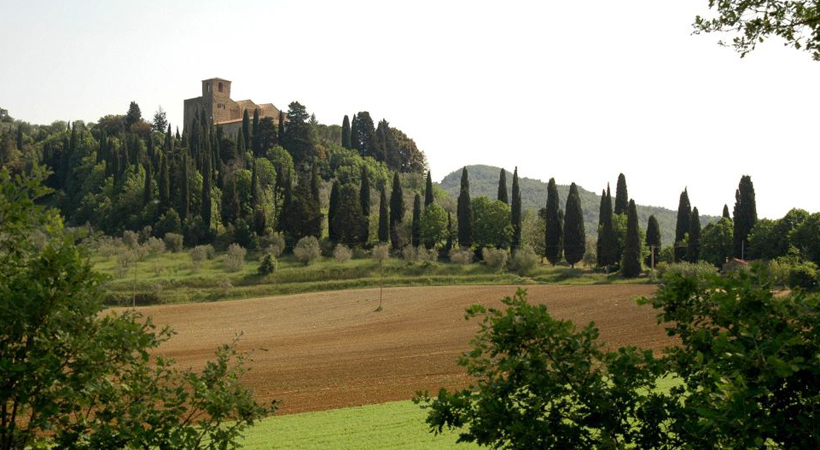
Imponente abbazia benedettina fondata prima dell’anno Mille.
Imposing Benedictine Abbey built before the year one thousand.
Descrizione
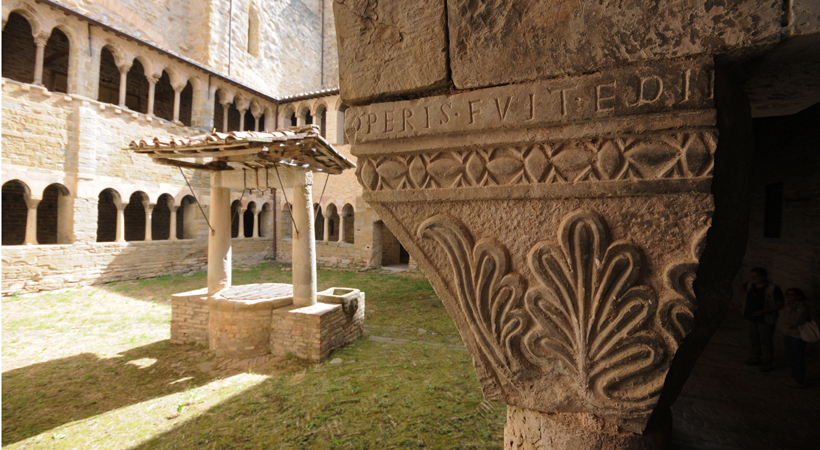
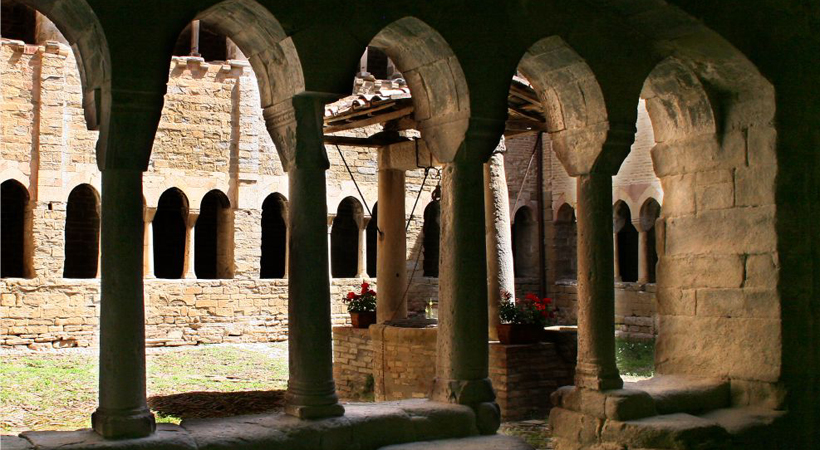
Nel corso dell’ XI sec. raggiunse l’apice della propria potenza, basata su un notevolissimo patrimonio fondiario e sul controllo di 40 Parrocchie. Nel XIII sec. vennero ricostruiti la chiesa e lo splendido chiostro, dal quale si accede all’antichissima cripta, all’affrescata Sala del Capitolo e ad una cantina ricavata in quella che probabilmente era l’originaria chiesa.
La chiesa, a navata unica con volte a crociera costolonate, ispirata al modello delle Basilica francescana superiore di Assisi, conserva dipinti di Fiorenzo di Lorenzo e Bartolomeo Caporali. Altri dipinti più antichi, del Maestro di Montelabate e di Meo da Siena, sono conservati oggi nella Galleria Nazionale dell’Umbria.
A partire dal XV sec. l’Abbazia perse la propria autonomia e passò agli abati accomandatari, in esecuzione alle volontà del pontefice. Verso la metà del XVII sec. il cardinale Filippo Monti vi introdusse i cistercensi, i quali ridiedero vita all’abbazia. Nel 1860, con l’unità d’Italia, questi vennero cacciati e l’abbazia venne venduta al marchese Medici che la trasformò in villa e fattoria.
Nel 1959 fu acquistata dal senatore Gaslini ed è ancora oggi proprietà della Fondazione Gaslini di Genova.
______________________________
During the XI Century it reached the maximum of its power, based on a huge land property and on the management of 40 Parishes.
During the XIII Century, the church and the cloister were rebuilt, from here you reach the ancient crypt, the frescoed Sala del Capitolo and a cellar, probably from the original church.
The church, with a single nave with cross shaped vaults, following the model of the superior Franciscan Basilica in Assisi, still shows paintings by Fiorenzo di Lorenzo and Bartolomeo Caporali. More ancient paintings, by Maestro di Montelabate and Meo da Siena, are today exposed at the Galleria Nazionale of Umbria.
From the XV Century the Abbey lost its autonomy and was held by the “abati accomandatari”, in accordance to the will of the Pope. Around the second half of the XVII Century the Cardinal Filippo Monti placed there the “cistercensi” (Cistercian) , giving the abbey a new life. In 1860, following the unification of Italy, they were driven out and the Abbey was sold to the Marquis Medici, who transformed it in villa and farm.
In 1959, it was bought by senator Gaslini and is still today owned by the Fondazione Gaslini of Genova.
Galleria di immagini
Modalità di accesso
Parzialmente accessibile a persone con disabitiltà motoria
______________________________
Partly wheelchair accessible
Dove
Indirizzo
CAP
Orari di apertura
Per orari e costi consulta i contatti che trovi su ulteriori informazioni
______________________________
For opening hours see the contact in ulteriori informazioni
Contatti
Ulteriori informazioni
Info
Fondazione Gaslini Montelabate, tel. +39 075 603120 – +39 340 1003590
mail: info@montelabate.com
www.montelabate.com/it/