Monumento ai caduti del XX Giugno -Monument to the fallen of the XX June
Importante luogo dell'identità storica perugina
Important place for the identity of the city
Descrizione
Il monumento dedicato ai caduti del XX giugno è uno dei luoghi dell’identità cittadina, a testimonianza del contributo di Perugia alla causa dell’unità nazionale. E’ stato realizzato a ricordo della resistenza della città alle truppe mercenarie mandate da papa Pio IX nel 20 giugno 1859 per reprimere la rivolta popolare.
Il monumento fu realizzato dallo scultore Giuseppe Fringuelli e fu inaugurato nel 1909, a ricorrenza del cinquantenario. E’ composto da un basamento in stile classico, con sopra una colonna corinzia e in cima un braciere ardente, a testimonianza del sacrificio dei caduti.
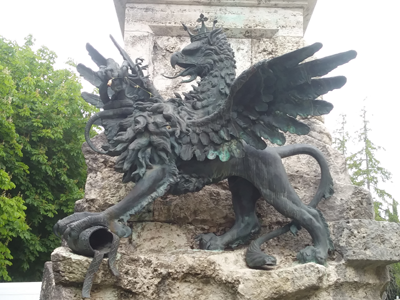
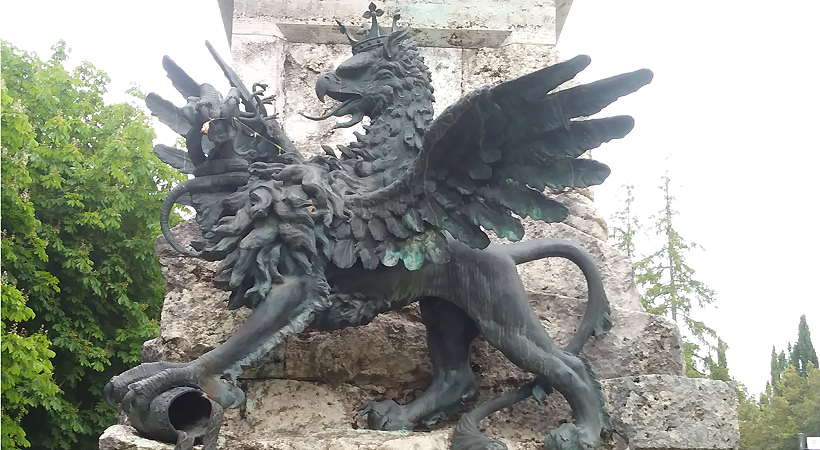
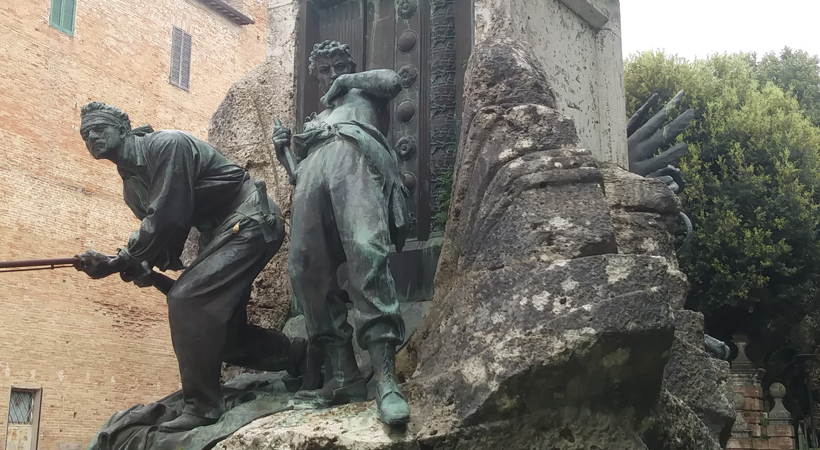
Nel lato del monumento rivolto a nord, sono rappresentati due ignoti popolani senza divisa, nell’atto di resistere all’ingresso delle truppe in porta San Pietro. Nel lato sud, è rappresentato il grifo di Perugia che schiaccia con un artiglio la tiara papale, a significare la fine del potere temporale dei papi; mentre, con l’altro artiglio stritola la tirannia rappresentata dall’Idra (indomabile serpente mitologico). La tiara papale fu tolta nel periodo del governo fascista successivamente al Concordato Stato-Chiesa; per essere poi ripristinata nel 1980 in occasione del restauro del monumento.
Il 20 giugno del 1944, un altro evento importante segnò la storia di Perugia: le truppe angloamericane entrarono dalla stessa Porta San Costanzo, per porre fine al regime fascista.
Questo luogo carico di significato è stato scelto da Aldo Capitini per la partenza della prima storica Marcia della Pace nel 1961.
______________________________
The monument, dedicated to the fallen of XX June, is one of the places of the city identity, and testifies the contribute of Perugia to the national unit. It symbolizes the resistance of the city to mercenaries troops sent by Pope Pio IX on the 20th June 1859 to repress the popular revolt.
The monument was made by the sculptor Giuseppe Fringuelli and was unveiled in 1909, to celebrate the first 50 years after the happenings. It is composed by a classic style basement, a Corinthian column on it and, at the top, a burning brazier, as proof of the fallen sacrifice.
Two unknown citizens without uniform are on the north side of the monument, facing that Porta San Pietro where the troops entered and that they tried to defend.
The griffin of Perugia is represented on the south side of the monument. It is grinding with a claw the papal tiara, as representation of the ending of pope temporal power; with the other claw the griffin grinds tyranny represented by Idra (the untamable mythological snake). The papal tiara has been removed during the period of the Fascist regime after the agreements between the Government and the Church; it has been reinstated in 1980 with the restoration of the monument.
On the 20th June 1944 another important event signed the History of Perugia: the Anglo-American troops entered the same Porta San Costanzo to stop the Fascist regime.
This important place has been chosen by Aldo Capitini as starting point of the first historic “Marcia della Pace – Peace March” in 1961, and still is.
Galleria di immagini
Modalità di accesso
Luogo all’aperto accessibile a persone con disabilità motoria
______________________________
Open air place, wheelchair accessible