M.A.N.U. Museo Archeologico nazionale dell’Umbria – National Archeological Museum of Umbria
E' la più importante raccolta archeologica dell’Italia centrale
The most important archeologic collection of Central Italy
Descrizione
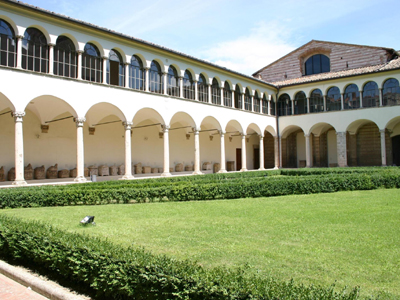
È collocato negli ampi spazi dell’antico Convento di San Domenico, fondato nel 1233.
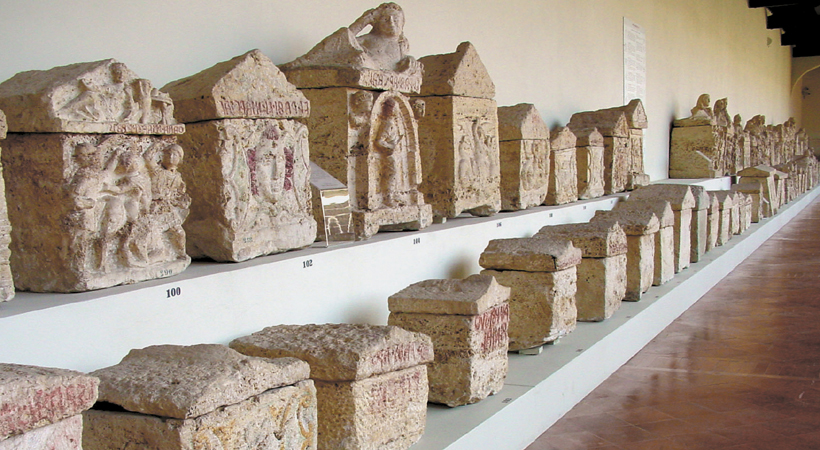
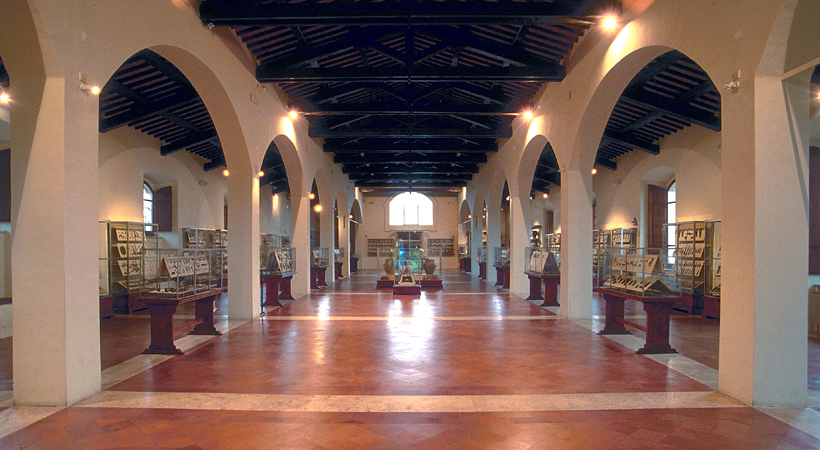
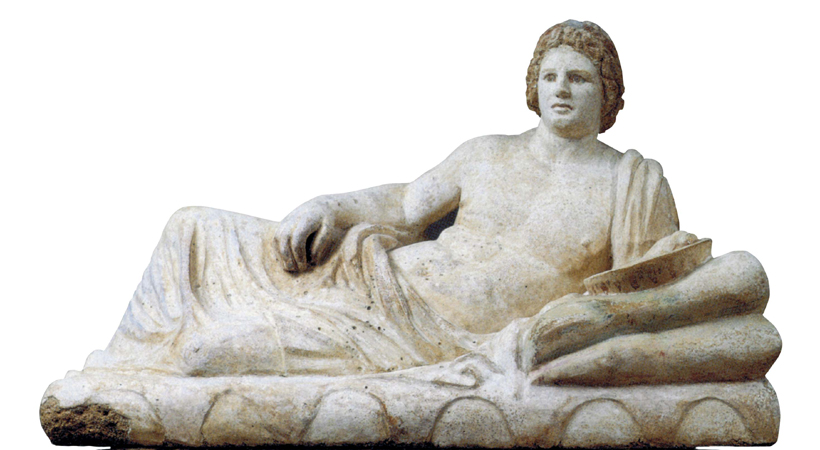
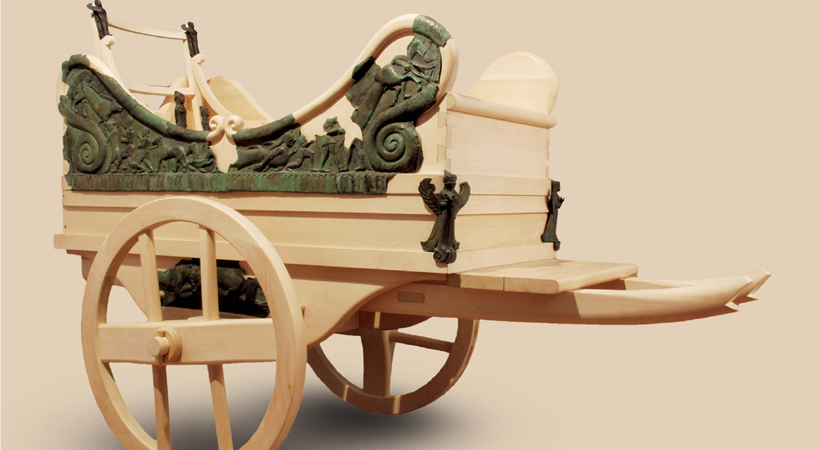
Offre una sezione preistorica, contenente reperti rinvenuti in insediamenti e grotte dell’Italia centrale dal Paleolitico all’età del Bronzo, oltre ad un’importante esposizione di materiali provenienti dagli antichi centri umbri ed etruschi e dai siti romani presenti nell’attuale regione Umbria.Nel chiostro del convento, in un ambiente sotterraneo accanto all’ingresso, è stata ricostruita la suggestiva tomba della famiglia Cai Cutu (III-I sec. a.C.), con i corredi funerari. Attorno alle pareti del chiostro, così come nel loggiato superiore, sono collocate urne cinerarie, caratteristica produzione dell’artigianato etrusco in età ellenistica, provenienti dalle necropoli di Perugia. Un nuovo spazio espositivo accoglie inoltre urne e materiali della Tomba dei Cacni, oggetto di recupero da parte dei carabinieri del Nucleo Protezione Patrimonio Culturale.Tra i reperti di maggior pregio figurano, tra l’altro, il Cippo perugino, una delle più importanti iscrizioni in lingua etrusca e il corredo bronzeo della tomba principesca da San Mariano, nel territorio perugino, con un incredibile complesso di lamine decorate a sbalzo e resti di carri da parata.Inoltre vi sono esposti i materiali romani e le epigrafi che ricordano la rinascita di Perugia (Perusia restituta) dopo la distruzione seguita alla guerra che la oppose ad Ottaviano nel 41 a.C.Sezioni della galleria superiore sono dedicate alla importante Collezione di Amuleti di Giuseppe Bellucci, comprendente amuleti antichi e moderni e strumenti magico-religiosi, al Gabinetto di Numismatica e ad Oreficerie e tesoretti.
______________________________
It is situated in the huge complex of the ancient Dominican monastery, founded in 1233. It is divided into a prehistoric section, with finds discovered in settlements, caves and cemeteries in central Italy, dating from a period between the Paleolithic and the Bronze Ages, and an important section with materials from ancient Umbrian and Etruscan cities and Roman settlements situated in the present region of Umbria.
Inside the cloister of the convent, in an underground room close to the entrance, the evocative tomb of the family Cai Cutu (III – I Century b. C.) has been reconstructed with the funerary outfits. All around the walls of the cloister, as well as in the upper gallery, there are many cinerary urns, characteristic productions of the Etruscan handicraft during the Hellenistic period, coming from Perugia Necropolis. A new exhibition room hosts the urns and outfits of the Cacni tomb, that have been rescued by carabinieri del Nucleo Protezione Patrimonio Culturale (Italian Army Police for the protection of the cultural heritage).
Among the most precious finds the Cippus of Perugia, one of the most important documents of the Etruscan language and the bronze artefacts of the princely tomb of Castel San Mariano, in Perugia surroundings, with an amazing complex of sheets in repoussé gold work and remains of parade charriots.
Moreover, you can also find on exposition some Roman finds and epigraphs that recall the Perugia Renaissance (Perusia restituta) after the destruction following the war that saw the city opposed to Ottaviano in 41 b.C.
Sections of the upper gallery are dedicated to the important Giuseppe Bellucci Amulets Collection, exposing ancient and modern amulets and instruments of a magical-religious character, to the Gabinetto di Numismatica (Numismatic Collection) and to jewelry and treasures.
Galleria di immagini
Modalità di accesso
Parzialmente accessibile a persone con disabilità motoria
______________________________
Partly wheelchair accessible
Dove
Indirizzo
CAP
Orari di apertura
Per orari e costi consulta i contatti che trovi su ulteriori informazioni
______________________________
For opening hours and entrance fees see the contact in ulteriori informazioni