Bratislava
Slovacchia – Slovakia
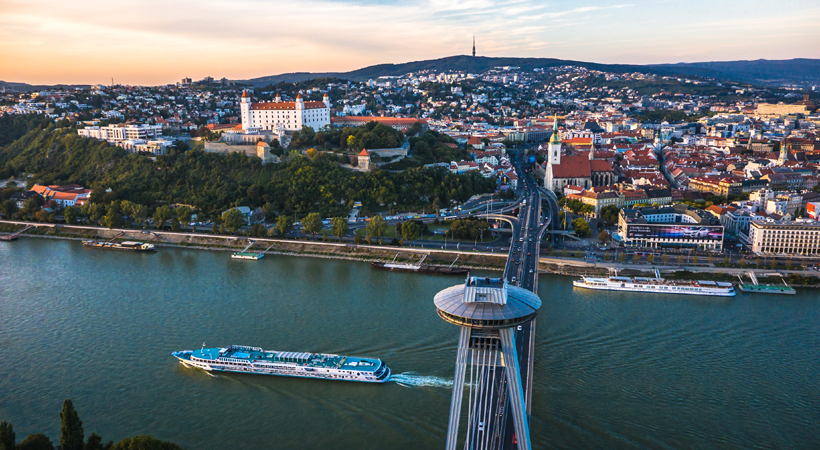
Bratislava è gemellata con Perugia dal 1962. Ha una popolazione di 419 556 (2014) ed è situata a circa 70 chilometri da Vienna, sulle rive del Danubio e tra le colline dei Piccoli Carpazi.
Dal 1° gennaio 1993 è Capitale della Repubblica Slovacca ed è sede della Presidenza della Repubblica e dei più alti Uffici di Stato, di ambasciate straniere e di centri culturali di molti paesi.
Oltre che della sua posizione strategica sul Danubio, la città è orgogliosa della sua ricca storia. I Celti, i Romani, i popoli germanici e gli Slavi vissero qui. Popoli di nazionalità slovacca, tedesca, ungherese, ebraica e di altre nazionalità hanno vissuto l’uno accanto all’altro. Ognuno di loro ha chiamato la città in un modo diverso: i tedeschi Pressburg, gli slavi Prešporok e gli ungheresi Pozsony. Bratislava è il nome ufficiale della città dal 1919.
Dopo la caduta della cortina di ferro nel 1989, Bratislava ha iniziato a delinearsi come metropoli europea e come attraente destinazione turistica.
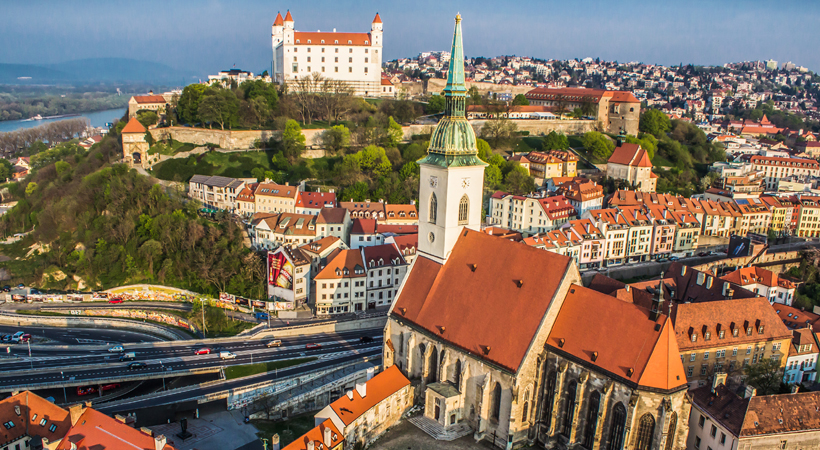
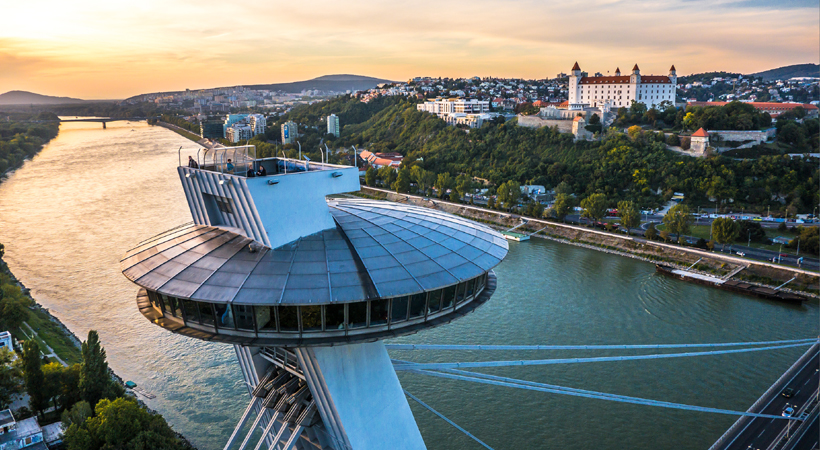
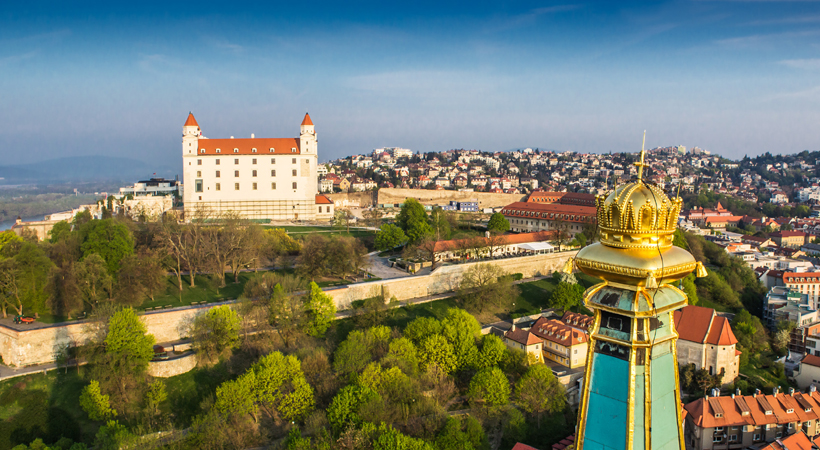
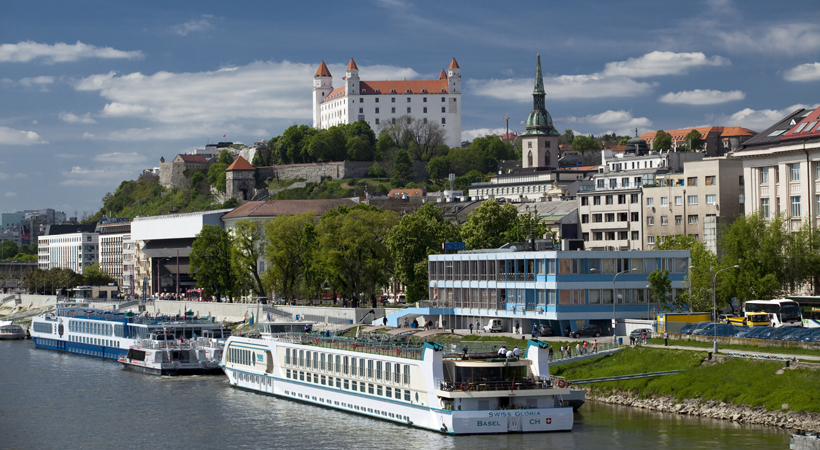
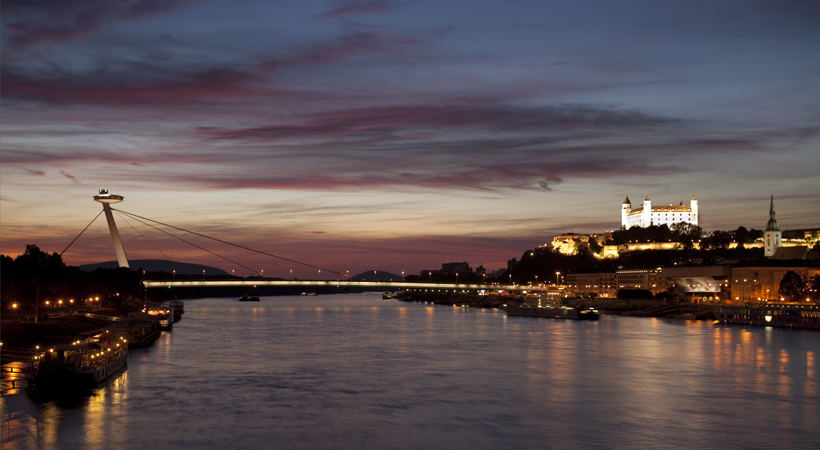
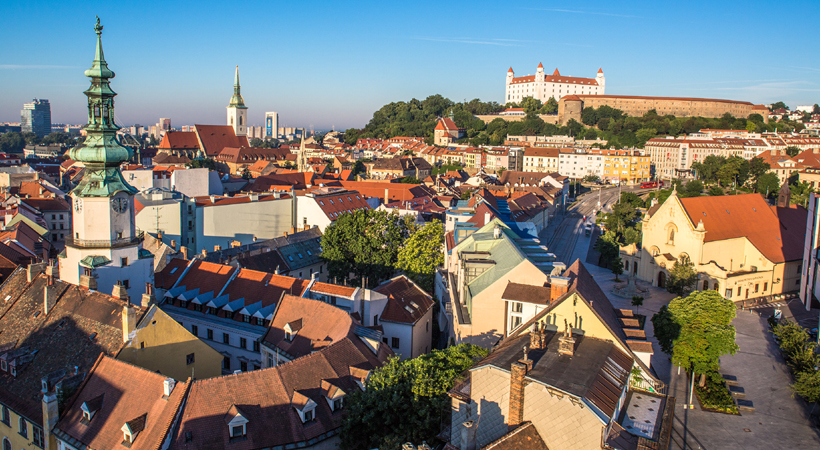
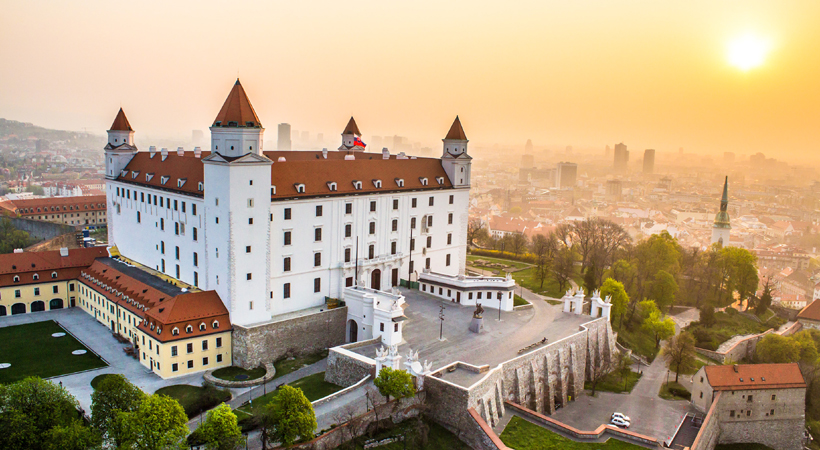
Bratislava e i suoi dintorni hanno molto da offrire. Il punto di riferimento e simbolo della città è il Castello di Bratislava, strategicamente costruito su una collina affacciata sul Danubio. Inoltre tantissimi altri luoghi, attrazioni, musei e gallerie d’arte meritano di essere visitati una volta arrivati in città.
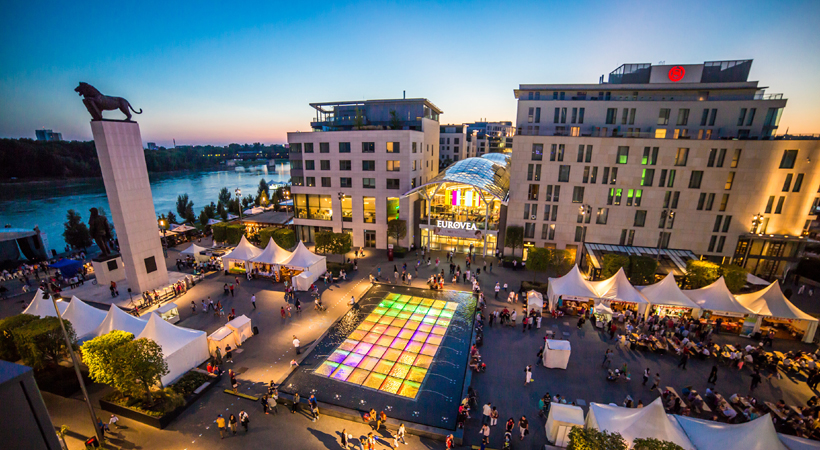
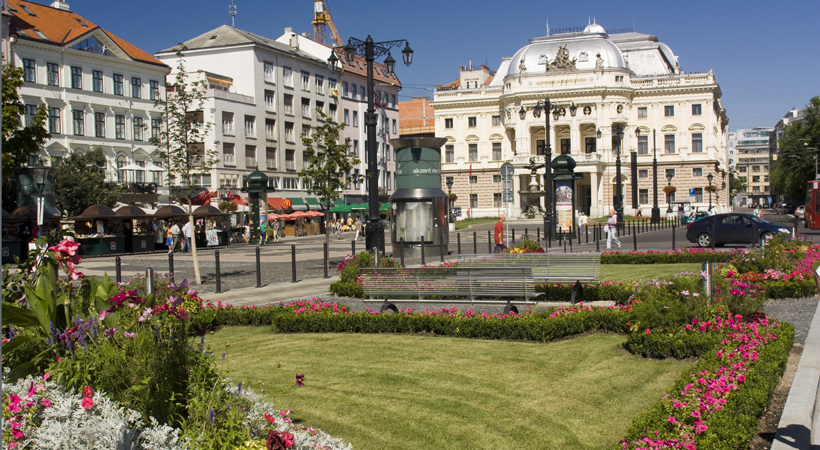
Oltre alla vasta gamma di preziosi siti del patrimonio artistico e culturale, Bratislava è una città ideale dove trascorrere il tempo libero. I molti parchi, le zone pedonali e le fontane della città, insieme a laghi e foreste della periferia, sono una destinazione desiderabile per le attività ricreative soprattutto nei mesi estivi.
__________________________
Bratislava has been twinned with Perugia since 1962. The town has a population of 419 556 (2014). It is located approximately 70 Kilometres from Vienna, on the banks of the Danube River, among the hills of the Small Carpathians Mountains.
Bratislava has been the capital of the Slovak Republic since January 1st 1993, as well as the seat of the presidential office and the highest state offices, foreign embassies and the cultural centres of several countries.
Besides its strategic location on the River Danube, the city takes pride in its rich history. The Celts, Romans, Germans and Slavs all lived here. People of Slovak, German, Hungarian, Jewish and other nationalities all lived alongside each other. Each nation named the town in its own way: the Germans named the town Pressburg, the Slavs Prešporok and the Hungarians Pozsony. Bratislava has been the official name of the town since 1919.
After the fall of the Iron Curtain in 1989, Bratislava started to profile as a modern European metropolis and an attractive tourist destination.
Bratislava and its surroundings have a lot to offer. The striking landmark and symbol of the city is the Bratislava Castle, strategically built on a hill overlooking the River Danube. Besides, there are plenty of other sights, attractions, museums and galleries in the city you should visit once you are here.
In addition to the vast range of valuable historical and cultural heritage sites, this is an ideal city for spending free time – many large parks, pedestrian zones and fountains are in the city along with a number of lakes and forests on the outskirts of the city, which are desirable destinations for recreation in particular in the summer months.
Link utili
www.bratislava.sk Città di Bratislava
http://www.visitbratislava.com/ Sito del Turismo
Galleria
Video
Pagina aggiornata il 18/03/2026